

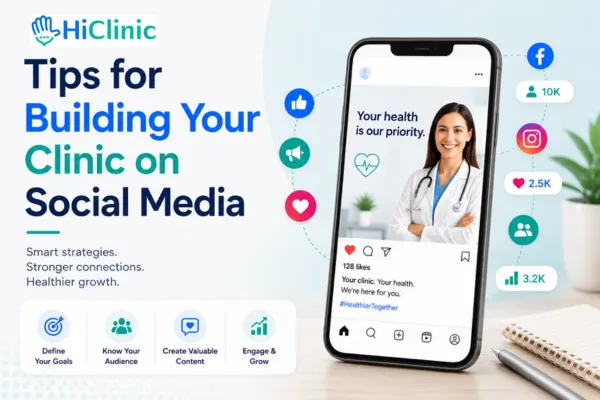
Tips for Building Your Clinic on Social Media
Most clinics know they should be on social media. Far fewer know what to post, how often, or how any of it turns into booked appointments. The result is a page that goes quiet after three posts and does nothing for the practice. Building a clinic on social media is less about posting more and more about posting with a plan, then turning the attention you earn into patients.
TL;DR
Pick one or two platforms your patients already use instead of trying to be everywhere.
Post mostly helpful content (education and community), with a smaller share of promotion.
Keep a schedule you can sustain. Steady beats frequent-then-quiet.
Reply to comments and messages fast. Social media is a conversation, not a billboard.
Follow Canadian privacy law and your college's advertising rules before posting anything patient-related.
Make booking easy, so a follower's interest becomes an appointment in as few steps as possible.
How do you build your clinic's presence on social media?
Build your clinic's social media presence by picking one or two platforms your patients already use, posting mostly helpful content on a schedule you can keep, replying to people who engage, and making it easy to book. A page that posts consistently and answers messages does more than one that chases every platform at once.
Here is a plan most clinics can run without hiring a full-time marketer:
Set one or two goals. More local awareness, more bookings, or hiring staff. Your goal decides everything else.
Find where your patients are. A practice serving older adults leans to Facebook. One targeting younger patients leans to Instagram or TikTok.
Pick one or two platforms. Do them well before adding a third. Thin presence everywhere beats nothing, but a strong presence somewhere beats both.
Plan a content mix. Weight it toward education and community posts, with promotion as the smaller slice.
Post on a schedule you can keep, and reply. A steady rhythm plus quick replies builds more trust than a burst of posts that then stops.
Track what works. Watch which posts earn saves, comments, and clicks, then make more of those.
Which social media platform is best for a healthcare clinic?
The best platform is the one your patients already use, so there is no single answer for every clinic. For most practices, the split below holds:

Start with the one or two rows that match your patients. A dental or med spa practice often does well on Instagram and Facebook. A clinic focused on recruiting benefits from LinkedIn. Adding platforms later is easier than rescuing three neglected accounts.
What should your clinic post on social media?
Post a mix weighted toward helpful content: education, behind-the-scenes and team posts, patient engagement, and a smaller share of promotion. A common rule of thumb is to keep most of your content helpful and hold promotion to a smaller share, often cited as roughly 70 to 30.
Ideas that tend to work for clinics:
Education: myth-busting posts, short videos where a clinician explains a common question, infographics on how a treatment works.
Community and culture: meet-the-team introductions, a look behind the front desk, clinic milestones, local outreach.
Patient engagement: polls on wellness habits, live or posted Q&A sessions, seasonal reminders like flu-shot timing.
Promotion: new services, expanded hours, a new clinician joining, an upcoming screening event.
Keep the medical claims accurate and fact-checked. Sharing a poorly sourced health trend costs more trust than a quiet week ever will.
How often should a clinic post on social media?
Post as often as you can sustain without dropping quality, which for most clinics means a steady two to four times a week. Consistency matters more than volume. A reliable weekly rhythm beats a daily burst that fizzles out after a month.
Plan two to four weeks ahead with a simple content calendar noting the platform, the format, the topic, and the date. Leave room for timely posts when local health news or a seasonal topic gives you a natural hook. If you can only commit to twice a week, commit to twice a week and hold it.
How do you get more patients from social media?
Turn social media attention into patients by pointing every post toward an easy next step and answering inquiries fast. A follower who has to hunt for your phone number, or who waits a day for a reply to a message, usually books somewhere else.
What moves followers to patients:
Give a clear next step. Link to a page where they can book, and keep the path from post to booking short.
Reply quickly. Comments and direct messages are booking signals. The faster you answer, the more of them convert.
Catch after-hours interest. A lot of social activity happens evenings and weekends, when your front desk is closed.
This is the gap HiClinic's AI Receptionist is built to close. It answers calls and messages around the clock, books and reschedules appointments, and pulls your social messages, texts, and calls into one unified inbox so nothing sits unanswered overnight. It handles the front-office work, scheduling and patient communication, and runs alongside your existing setup, including Jane App and OSCAR, without touching charting or billing. If a post drives a rush of evening inquiries, the AI Receptionist books them while your team is off the clock. Setup takes about 7 days, staff training runs about 30 minutes, and most clinics see a first result within 48 hours, on month-to-month billing with no long-term contract.
How do you protect patient privacy on social media in Canada?
Protect patient privacy by never posting anything that could identify a patient without their explicit written consent, and by following your provincial privacy law and your regulatory college's advertising standards. In Canada that means PIPEDA and provincial rules such as British Columbia's PIPA, not the US HIPAA framework you will see in most online advice.
The practical habits that keep a clinic out of trouble:
Check the background of every photo and video for charts, screens, wristbands, or paperwork that could identify someone.
Move any patient question or complaint that arrives as a comment or message to a private channel, such as a phone call or your patient portal.
When replying to a review, never confirm or deny that the person is a patient. Acknowledge the feedback and invite them to continue privately.
Write a short social media policy so every staff member with account access knows the boundaries, and refresh it as platforms and rules change.
Monitoring and responding to reviews is part of this, and a reputation management process helps you keep track without a staff member watching every platform. Treat the notes here as operational guidance, not legal advice, and confirm the details against your own province's rules.
Should your clinic share patient testimonials on social media?
Only with caution. Patient testimonials need explicit written consent, and for regulated medical practices in Canada several colleges restrict or prohibit them in advertising. Check your college's standards before you post any patient story, review, or before-and-after image.
This is where a lot of generic marketing advice steers clinics wrong. Testimonials work well for most businesses, but a physician, dentist, or other regulated practitioner operates under advertising rules that a restaurant does not. In British Columbia, for example, physicians should check the College of Physicians and Surgeons of BC standards and CMPA guidance before using patient testimonials at all. When in doubt, tell the story without the patient: explain the condition, the treatment, and the typical outcome in general terms, and skip the named endorsement.
Is social media worth it for a small clinic?
Yes, if you focus. Small clinics have real advantages on social media: they can be more personal, more local, and quicker to respond than large health systems, and patients notice that. A single clinician answering questions in a friendly voice often outperforms a corporate page with a bigger budget.
Set the expectation correctly, though. Social media is one channel in a wider plan, not a standalone fix. It builds visibility and trust, but it works best when it drives people to a website that informs them and lets them book, supported by search visibility and a steady review presence. Pick one platform, post helpful content on a schedule you can keep, answer every message, and give it a few months before you judge the results.
Key takeaways
Focus beats reach. One or two well-run platforms outperform a thin presence everywhere.
Lead with helpful content. Education and community posts build trust; promotion is the smaller share.
Consistency wins. A steady two to four posts a week beats a daily burst that stops.
Speed converts. Fast replies to comments and messages turn followers into booked patients.
Canadian rules differ from US advice. Follow PIPEDA and your provincial privacy law and college standards, not HIPAA, and be cautious with patient testimonials.
Social media is a front door, not the whole house. It works best paired with a bookable website, search, and reviews.
Frequently asked questions
Which social media platform is best for a clinic?
The best platform is the one your patients already use. Facebook offers the widest local adult reach and works as a home base, Instagram suits visual content and younger patients, YouTube carries longer educational video, and LinkedIn fits recruiting. Start with one or two and expand once you have a rhythm.
How often should a clinic post on social media?
Two to four times a week is a good target for most clinics. Consistency matters more than volume, so a steady weekly rhythm you can sustain beats a daily burst that stops after a month. Plan a few weeks ahead with a content calendar, and leave room for timely posts.
Can a clinic share patient testimonials on social media?
Only with explicit written consent, and often not at all for regulated practices. Several Canadian medical and dental colleges restrict or prohibit patient testimonials in advertising, so check your college's standards first. When unsure, describe the condition and treatment in general terms instead of using a named patient endorsement.
Is social media worth it for a small clinic?
Yes, when you focus. Small clinics can be more personal, local, and responsive than large health systems, which patients value. Treat social media as one channel alongside your website, search, and reviews rather than a standalone fix, and give a focused effort a few months before judging results.
How do you turn social media followers into patients?
Point every post toward an easy next step, link to a page where people can book, and answer comments and messages fast. Much social activity happens after hours, so capturing evening and weekend inquiries, by automating replies and booking, is often where the extra patients come from.
Your posts are bringing patients to the door. Make sure someone answers when they knock. See how HiClinic's AI Receptionist turns social inquiries into booked appointments, day or night, alongside the tools your clinic already uses.